

How Smart Homes Can Save You Money This Summer
From automated cooling to smarter energy use, simple home technologies can help Perth households stay comfortable while keeping summer expenses under
As Perth prepares for another hot summer, keeping homes cool and managing household expenses are becoming increasingly important. While smart home technology is often associated with convenience and luxury, many modern devices can also help reduce unnecessary energy and water consumption, potentially saving homeowners money throughout the warmer months.
Smarter Ways to Stay Cool
Air conditioning can account for a significant portion of household electricity consumption during Perth's summer, particularly when systems are running for extended periods.
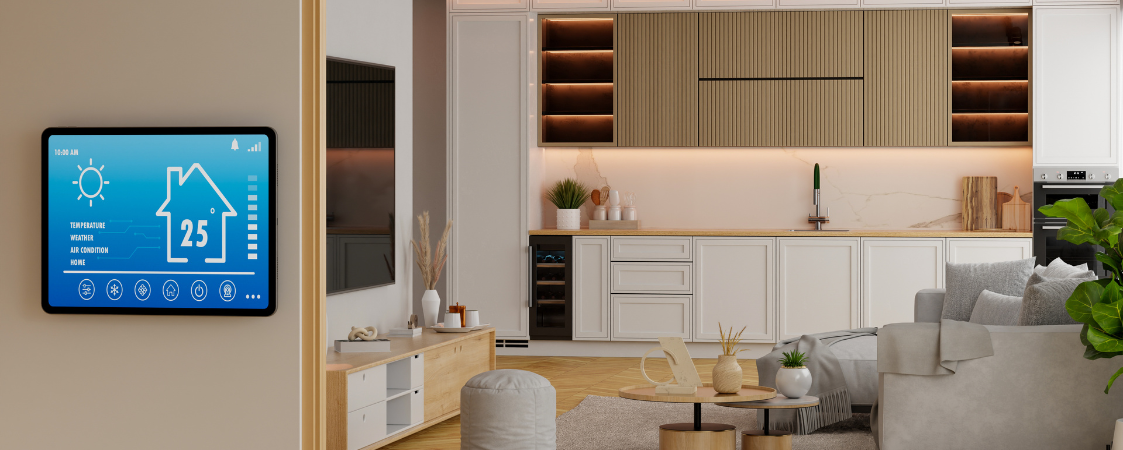
Smart thermostats and compatible air conditioning controllers allow homeowners to schedule cooling around their daily routines, adjust temperatures remotely and avoid running systems unnecessarily.
Some devices can also monitor room temperatures or detect when nobody is home, automatically adjusting settings to reduce energy consumption.
For households with zoned air conditioning, focusing cooling on occupied areas rather than the entire home can provide further opportunities to manage electricity use.
Let Your Blinds Do the Work
Perth's strong summer sunshine can quickly heat indoor spaces, particularly rooms with large windows facing east or west.
Automated blinds and smart window coverings can be programmed to close during the hottest parts of the day, reducing the amount of direct sunlight entering the home.
Some systems can even respond to sunlight levels or indoor temperatures, adjusting throughout the day without requiring manual intervention.
By limiting heat entering the home, these technologies may help reduce the workload on air conditioning systems and maintain more comfortable indoor temperatures.
Understanding Where Your Electricity Goes
One of the simplest ways to manage household energy costs is to understand where electricity is being used.
Smart plugs and energy monitoring devices allow homeowners to track the consumption of compatible appliances, identify unnecessary usage and schedule devices to operate only when needed.
For example, entertainment systems, decorative lighting and other non-essential appliances can be switched off automatically when not in use.
While individual savings may be modest, monitoring household electricity consumption can help identify opportunities to reduce waste over time.
Making the Most of Solar Power
For Perth households with rooftop solar panels, smart home technology can help maximise the benefits of electricity generated during daylight hours.
Smart timers and compatible appliances can be programmed to operate when solar production is highest, potentially reducing the amount of electricity purchased from the grid.
Running washing machines, dishwashers or pool pumps during suitable daylight hours may be beneficial, depending on the household's solar system, electricity tariff and daily energy needs.
Some home energy management systems can also monitor solar generation and household consumption, helping homeowners make more informed decisions about when to use electricity.
Smarter Watering for Perth Gardens
Keeping gardens healthy during Perth's hot, dry summers can increase household water consumption.
Smart irrigation controllers offer an alternative to traditional fixed watering schedules by adjusting watering times based on weather conditions, rainfall and, in some systems, soil moisture levels.
This can help prevent unnecessary watering while maintaining appropriate moisture levels for lawns and gardens.
However, automated irrigation systems must still comply with Western Australia's watering restrictions and permitted watering days.
Do Smart Home Upgrades Really Save Money?
Not every smart home improvement requires a major investment.
Affordable smart plugs, timers and energy monitoring devices can provide a practical starting point, while automated blinds, advanced cooling controls and integrated home management systems generally involve higher upfront costs.
The potential savings will depend on the technology selected, how frequently it is used and the household's existing energy consumption.
Importantly, smart devices are most effective when they help reduce unnecessary energy use, rather than simply adding convenience.
As Perth heads into summer, making smarter decisions about cooling, electricity and water consumption can help create a more comfortable home while keeping household running costs in check.
You might also be interested in
Nov 20, 2026
WA Day Festival Returns to Burswood Park
The WA Day Festival is returning to Burswood Park on Saturday 21 and Sunday 22 November 2026, bringing two days of entertainment, community celebrations and activities for the whole family. With free

Nov 20, 2026
Why Perth's Property Prices Are Telling Two Different Stories
Perth's property market is presenting an interesting contrast as 2026 draws to a close. While annual median sale prices remain considerably higher than a year ago, more recent data suggests property v