

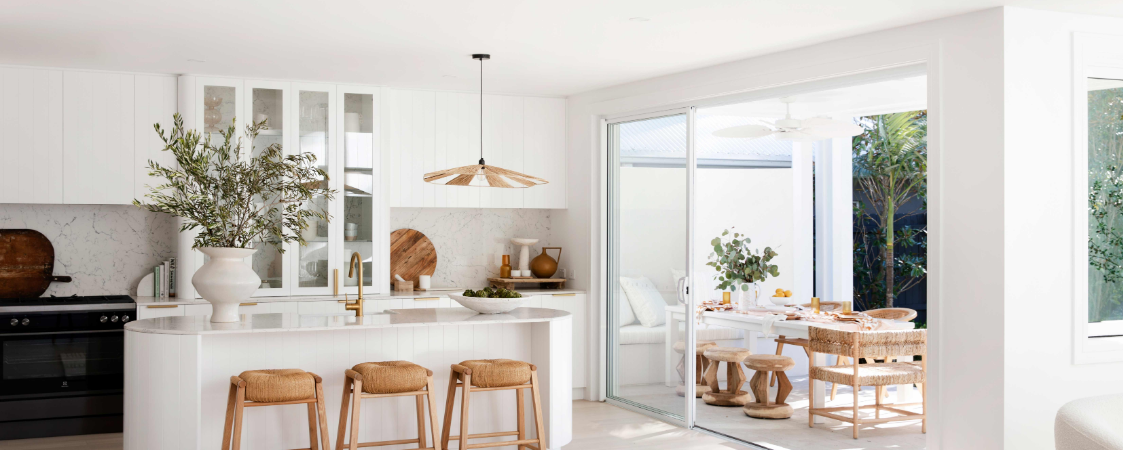
Interior Design Trends in Australia for 2026
Australian homes in 2026 are moving away from cold, perfect-looking interiors and becoming much more personal, warm, and lived-in. Instead of following strict design rules, homeowners are focusing on creating spaces that feel comfortable, meaningful, and connected to everyday life.
One of the biggest shifts is towards warm, earthy colours. Shades like brown, beige, terracotta, and soft greens are replacing the cool greys that were popular for years. These tones help create a calmer, more relaxed atmosphere and work well with natural materials like timber and stone.
At the same time, interiors are becoming more layered and textured. Rather than flat, minimal spaces, people are mixing fabrics like linen, velvet, and wool to add depth. This creates a softer, more inviting look that feels less “styled” and more real.
Another strong trend is the move towards natural and sustainable materials. Timber furniture, stone surfaces, and handmade pieces are becoming more popular as people look for quality items that last. There’s also growing interest in vintage and second-hand pieces, which add character and reduce waste.
Furniture is also changing in shape and feel. In 2026, curved and organic forms are replacing sharp lines. Sofas, chairs, and even kitchen islands are becoming softer in appearance, helping spaces feel more relaxed and welcoming.
Importantly, Australian homes are being designed with lifestyle in mind. Spaces are becoming more flexible — for example, dining areas that double as workspaces or quiet corners designed for reading and relaxing. The focus is less on how a home looks in photos and more on how it feels to live in every day.
Finally, personality is key. Neutral interiors are no longer the only option. Many homeowners are adding colour, art, and unique pieces that reflect who they are. Whether it’s bold accents, vintage finds, or meaningful décor, homes in 2026 are all about telling a story.
You might also be interested in
Oct 8, 2026
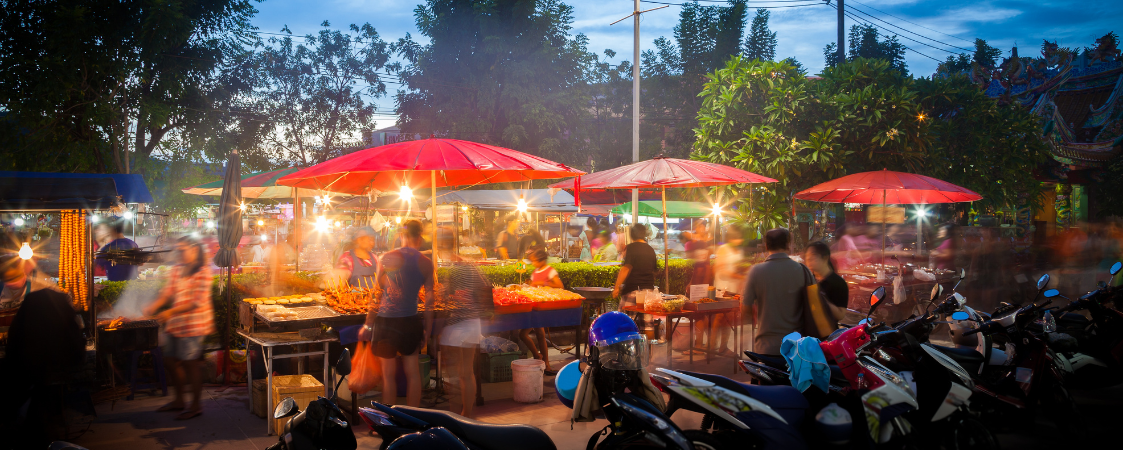
Subi Night Market Returns for Another Season
As Perth's evenings begin to warm up, the Subi Night Market has returned for another season, transforming Market Square Park into a lively Saturday night destination filled with food, music and commun
Oct 8, 2026
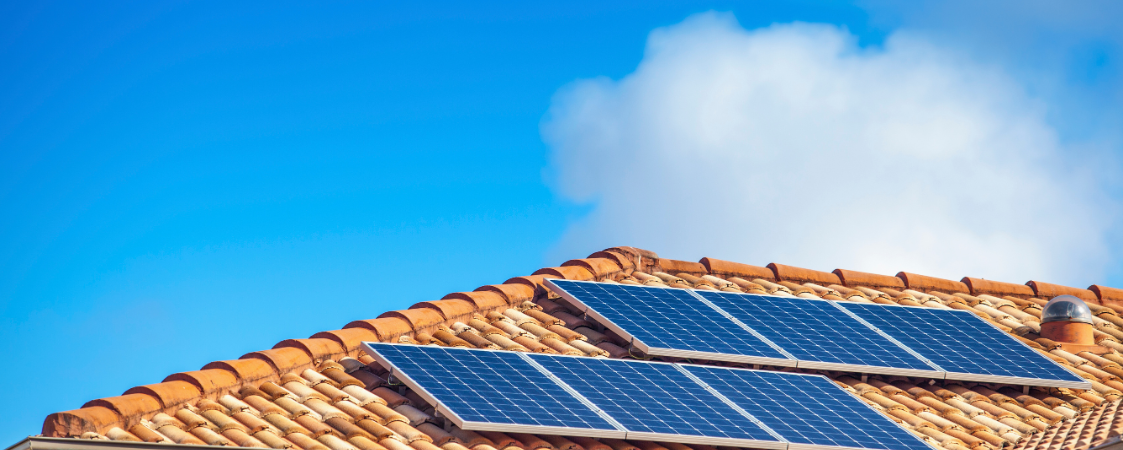
Are Energy-Efficient Homes Worth More?
When it comes to buying a home, location, presentation and functionality have traditionally been among the biggest considerations. However, energy efficiency is becoming an increasingly important part